
"citric acid"
800 article(s) found
The origin and formation of the sour taste of roasted coffee
Raw coffee beans contain sour ingredients such as citric acid, malic acid, quinic acid and phosphoric acid, but these are not the main sources of sour taste when drinking coffee. The acid produced during baking is the main source of sour taste. Raw beans produce a series of chemical reactions during baking to form new acids. The most important thing is that chlorogenic acid is decomposed to form quinic acid and oligosaccharides.

How to treat the acid in coffee correctly? Where does the acid in coffee come from?
Why coffee acid substances objectively exist in coffee beans, coffee beans contain sour ingredients such as citric acid, malic acid, phosphoric acid and so on, but this is not the main sour taste we feel when drinking coffee. The sour taste we taste mainly comes from the acid produced in the baking process. Generally speaking, the lower the roasting degree of coffee is, the more sour it is, while many of the coffee is roasted more deeply.
What do you mean by the acidity of coffee beans? what are the sour coffee beans?
Professional coffee knowledge exchange more coffee bean information Please pay attention to the coffee workshop (Wechat official account cafe_style) in the raw bean state, coffee contains chlorogenic acid, citric acid, malic acid, after roasting will form quinic acid, caffeic acid, acetic acid and other low molecular organic acids, these acids are representatives of sour substances in coffee. Of course, there are high molecular organic acids such as fatty acids, or

Coffee bean red wine treatment method press pot use method
Coffee bean red wine treatment method pressing kettle use method acetic acid fermentation method: cleaner, lively acid, brighter acid quality, citric acid lactic acid fermentation method: taste more round, less clean than acetic acid fermentation method, alcohol thickness is higher, malic acid / tartaric acid before this, the treatment plant is passed down from generation to generation manual operation, for example, bite to feel the fermentation process of coffee beans

Why does the coffee taste a little sour?
The sour ingredients in raw coffee beans are citric acid, malic acid and quinic acid. Phosphoric acid, etc., but this is not the sour taste we feel when we drink coffee. The sour taste we taste mainly comes from the acid produced in the baking process. When roasting coffee beans, some of the ingredients in the beans will react to form new acids. A representative example is the epigenetic decomposition of chlorogenic acid.

Red Wine treatment of Coffee beans-Honey treatment of Coffee beans in the Sun
Red wine treatment of coffee beans-Honey treated coffee beans, sun washing, acetic acid fermentation, aerobic fermentation, lactic acid fermentation, anaerobic fermentation: acetic acid fermentation: cleaner, more active acid, brighter acid quality. Citric acid lactic acid fermentation: taste more round, less cleanliness than acetic acid fermentation, higher alcohol thickness, malic acid / tartaric acid before treatment

Why is coffee so sour? how does coffee get sour?
Professional barista communication Please pay attention to the coffee workshop (Wechat official account cafe_style) Coffee raw beans contain citric acid, malic acid, quinic acid. Phosphoric acid, etc., but this is not the sour taste we feel when we drink coffee. The sour taste we taste mainly comes from the acid produced in the baking process. When roasting coffee beans, some of the ingredients in the beans will melt.
Behind the origin of the sour taste of coffee and the sour taste of coffee is a very complicated problem.
Raw coffee beans contain sour ingredients such as citric acid, malic acid, quinic acid and phosphoric acid, but these are not the main sources of sour taste when drinking coffee. The acid produced during baking is the main source of sour taste. Raw beans produce a series of chemical reactions during baking to form new acids. The most important thing is that chlorogenic acid is decomposed to form quinic acid and oligosaccharides.

Introduction to the characteristics of Yega Sheffield Wauka Coffee Flavor Manor
Sun-treated Erika G1 has more lively citrus citric acid, aromas of apricot blossoms, exploding nuts of walnuts, and subtle aromas of cinnamon, cloves, rosemary and other spices. taste with a very good honey brown sugar sweet, very soft and attractive, as if the whole body soaked in the sea in early autumn, by the cool sea

Why does the coffee taste a little sour? Acid from the baking process
The sour ingredients in raw coffee beans are citric acid, malic acid and quinic acid. Phosphoric acid, etc., but this is not the sour taste we feel when we drink coffee. The sour taste we taste mainly comes from the acid produced in the baking process. When roasting coffee beans, some of the ingredients in the beans will react to form new acids. A representative example is the epigenetic decomposition of chlorogenic acid.

A brief introduction to the flavor description method for the taste characteristics of Yega Xuefei G1 sun and water washing
Sun-treated Erika G1 has more lively citrus citric acid, aromas of apricot blossoms, exploding nuts of walnuts, and subtle aromas of cinnamon, cloves, rosemary and other spices. taste with a very good honey brown sugar sweet, very soft and attractive, as if the whole body soaked in the sea in early autumn, by the cool sea
Do you know why coffee tastes a little sour?
Many coffee drinkers sometimes ask if your coffee is sour. Or I don't like sour coffee and so on, let's understand the secret of it. The sour ingredients in raw coffee beans are citric acid, malic acid and quinic acid. Phosphoric acid, etc., but this is not the sour taste we feel when we drink coffee. The sour taste we taste mainly comes from the acid produced in the baking process. Drink coffee
The relationship between sour, sweet, salty and bitter coffee and baking
The relationship between coffee sour, sweet, salty and bitter and roasting coffee essence. There are two categories: volatile aroma components [basically aliphatic and benzoic acid, phenylacetic acid] and weakly volatile or non-volatile acids [affecting the taste quality of coffee]. Volatile acids: volatile acids are produced during the thermal degradation of sugars, mainly glucose, which is heated to formic acid and acetic acid.

What factors determine the carbohydrate content of coffee
What factors determine the carbohydrate content of coffee Low molecular weight sugars: Sucrose is the most important free sugar in green coffee beans, and its content varies according to variety, source and maturity. Arabica beans generally contain higher amounts of sucrose than Robusta beans; other simple sugars, including reducing sugars, can also be detected in the extract of green coffee beans. Green coffee beans also

Caffeic acid Caffeic acid is not equal to coffee
On June 24, 2013, People's Daily published an article revealing the PX project: its carcinogenicity is at the same level as coffee. According to international standards, PX is not a dangerous chemical and is a possible carcinogen like the coffee we drink. IARC's assessment of the risk of human cancer caused by chemicals is currently recognized as authoritative data. Interestingly, in its list of five carcinogens, the name of coffee appeared in 1991.

What factors determine the content of carbohydrates in coffee
What factors determine the amount of carbohydrates in coffee? local natives often grind the fruit of the coffee tree and knead it with animal fat to make many ball balls. These indigenous tribes use these coffee balls as precious food for soldiers who are about to go out to battle. It was not until around the 11th century that people began to use boiled coffee as a drink.
How to taste the coffee flavor? what does the coffee flavor wheel mean?
Professional coffee knowledge exchange more coffee bean information please pay attention to the coffee workshop (Wechat official account cafe_style) [preface] when we cup meter, we will write a description of the flavor, such as [coffee flower aroma] [citric acid] [citric acid] and so on, some friends will ask, why can we write so many words? In fact, the secret is to smell the incense bottle, literally
Taste exercise | how to identify the flavor of a single bean corresponding to the smell bottle
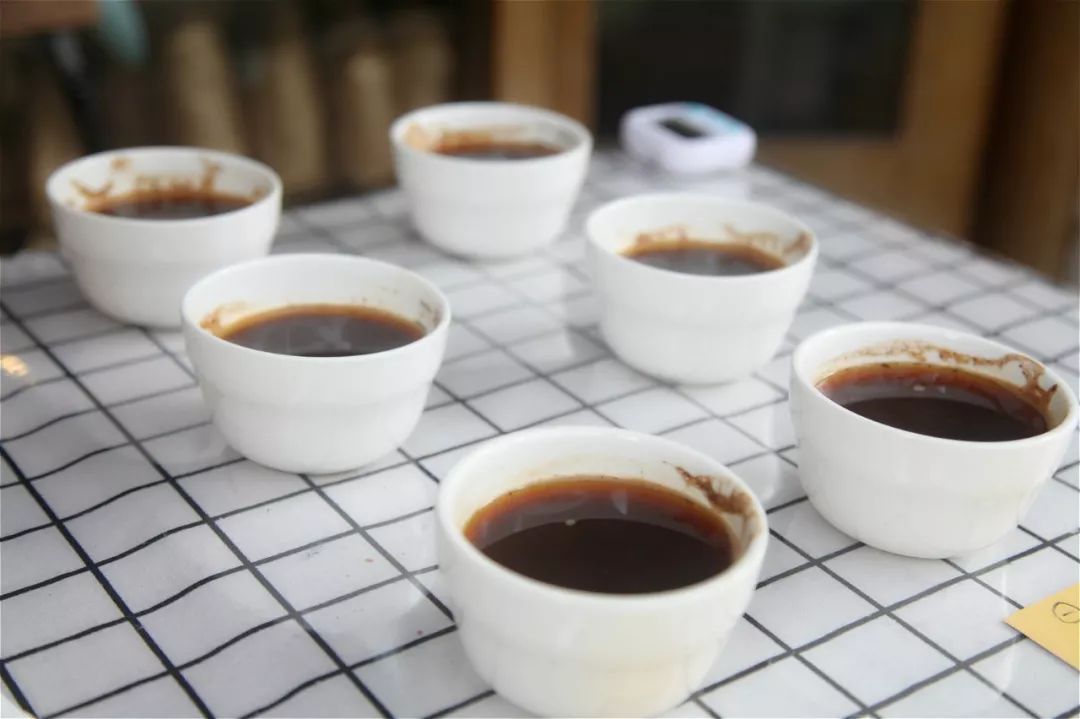
Professional coffee knowledge exchange more coffee bean information please pay attention to the coffee workshop (Wechat official account cafe_style) [preface] when we cup meter, we will write a description of the flavor, such as [coffee flower aroma] [citric acid] [citric acid] and so on, some friends will ask, why can we write so many words? In fact, the secret is to smell the incense bottle, from the word
How to adjust the sour taste of hand-made coffee? Does coffee taste sour? where does coffee taste sour?
I remember when we were young, we heard that the description of coffee revolved around: fragrant and mellow (hidden meaning: coffee is strong and bitter). Due to the lack of baking technology and the poor quality of coffee beans, if it is not paired with milk / sugar, a sip can immediately refresh people, which has made people's understanding of coffee for many years inseparable from bitter words. With the emergence of the boutique coffee craze

A brief introduction to the Flavor description and Taste Origin of Erica Coffee beans in Ethiopia
A brief introduction to the flavor description of Erica coffee beans in Yegashifei, Ethiopia A brief introduction to the flavor of Erica coffee beans in Ethiopia A brief introduction to the taste of Erica coffee beans in Ethiopia can be described as shades of water and sun treatments. Washed coffee beans are relatively light-toned flavor, light-toned floral fragrance, light-toned citric acid, light-toned sweetness, while sun-treated coffee beans are darker flavors